How Much Does Water Damage Restoration Cost in Anaheim?
Most water damage jobs cost $1,383 to $6,369. That is the typical range in the 2026 national guides from Angi and HomeAdvisor. The average job lands near $3,868. Anaheim jobs usually fall in this range too, and the Orange County figures further down the page show why.
Last updated November 20, 2026. Prices on this page are published ranges, not a quote.
Water damage restoration cost depends on three things. The water category sets the rate per square foot. The size of the wet area sets how much work there is. The materials decide what can be dried and saved, and what must be torn out and replaced.
Water damage restoration cost at a glance
If you only need one number, use the typical range, because most homes fall inside it. The table below shows the headline water damage restoration cost figures from the 2026 guides.
| What | Typical price | Source |
|---|---|---|
| Typical job | $1,383 to $6,369 | Angi and HomeAdvisor, 2026 |
| Average job | About $3,868 | Angi and HomeAdvisor, 2026 |
| Small job | From about $450 | Angi and HomeAdvisor, 2026 |
| Large job | Up to about $16,000 | Angi and HomeAdvisor, 2026 |
| Per square foot, clean water | About $3.50 | HomeAdvisor, 2026 |
| Per square foot, gray water | About $5.25 | HomeAdvisor, 2026 |
| Per square foot, black water | About $7.50 | HomeAdvisor, 2026 |
| Drying time | 3 to 14 days | Restoration cost guides, 2026 |
LawnStarter gives a lower average for 2026, about $3,250. Its typical range is $1,270 to $5,375, and Fixr puts the average near $3,000. The guides disagree on the exact average. They agree on the range.
Cost by water category
Restoration companies sort water into three categories. The IICRC S500 standard sets the rules. Category 1 is clean water. Category 2 is gray water. Category 3 is black water.
The category sets your water damage restoration cost per square foot. Clean water is the cheapest to remove and dry. Black water costs about twice as much because everything it touches must be removed and thrown away.
| Category | What it is | Cost per square foot |
|---|---|---|
| Category 1, clean water | Burst supply line, sink overflow, rain | $3.50 (HomeAdvisor) or $4 to $6 (HomeGuide) |
| Category 2, gray water | Washer or dishwasher discharge, toilet overflow with urine only | $5.25 (HomeAdvisor) or $6 to $9 (HomeGuide) |
| Category 3, black water | Sewage, flood water, rising ground water | $7.50 (HomeAdvisor) or $9 to $12 (HomeGuide) |
Two guides give different numbers for the same job. HomeAdvisor lists point rates. HomeGuide lists wider ranges. Both agree on the order. Clean water costs least. Black water costs most.
Water can change category over time. Clean water left sitting for a day or two grows germs and turns gray. Gray water left longer can turn black. Ask which category your job falls in before you accept a quote.
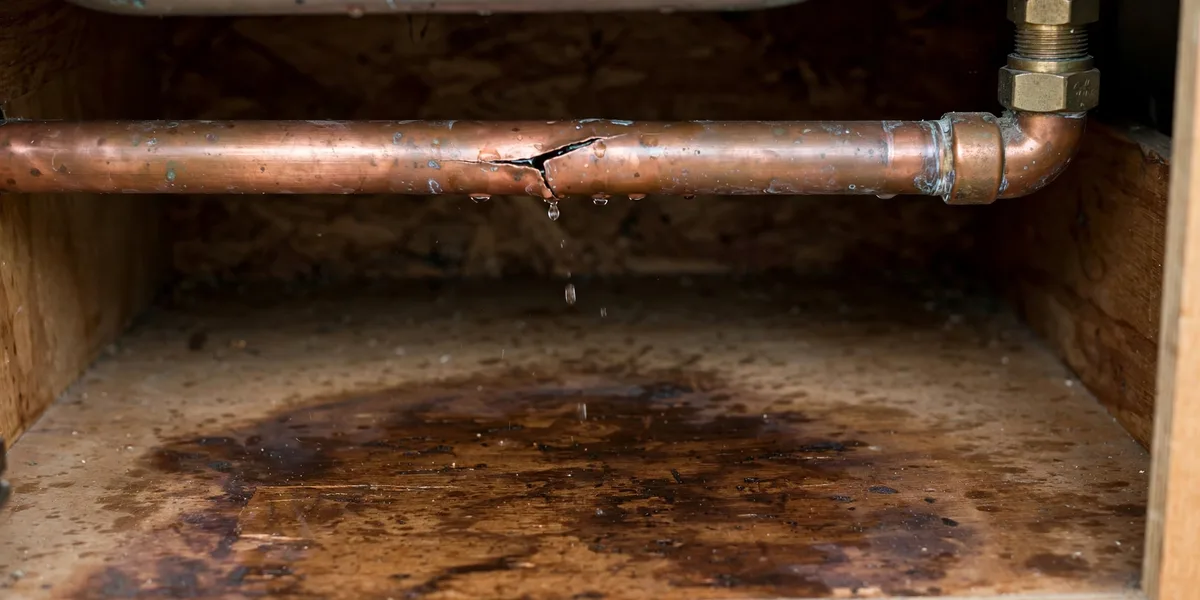
A burst supply line is the most common clean water job in Anaheim homes. Most burst pipe jobs run $5,000 to $12,000 when several rooms are wet.
Cost by class: how far the water spread
Category is about how dirty the water is. Class is about how far it spread. The IICRC S500 standard uses both. Class sets your total water damage restoration cost. Category sets where you land inside the range.
| Class | What it means | Typical cost |
|---|---|---|
| Class 1 | One small area, little soaked in | $150 to $500 |
| Class 2 | A whole room, wet carpet and lower walls | $1,500 to $5,000 |
| Class 3 | Water from above, walls and ceilings soaked | $5,000 to $15,000 |
| Class 4 | Long flooding, specialty drying needed | $15,000 to $100,000 |
These are the HomeGuide ranges for 2026. A Class 1 job is often a small leak caught early. A Class 4 job is whole home flooding that sat for days. Most Anaheim homes fall in Class 2 or Class 3.
Clean water losses land in the lower half of their class range. Gray water lands in the middle. Black water lands at the top. That pattern holds across every published guide.
Cost by room and scenario
Room by room water damage restoration cost figures help you spot a fair quote. The figures below come from published 2026 restoration guides. They cover the full job, not just drying.
| Scenario | Typical cost |
|---|---|
| Small leak, under 100 square feet, clean water | $1,500 to $3,500 |
| Bathroom or kitchen water loss | $2,500 to $6,000 |
| Burst pipe, several rooms wet | $5,000 to $12,000 |
| Sewage backup | $7,000 to $20,000 or more |
| Category 3 full remediation | $10,000 to $30,000 or more |
| Ceiling repair after water damage | $280 to $984, average $576 |
| Drywall repair | $300 to $850, or $1.50 to $3 per square foot to replace |
A burst pipe is the classic Anaheim emergency. One pipe can soak a kitchen, a hallway, and two bedrooms before anyone notices. That is why burst pipe jobs sit in the $5,000 to $12,000 range. See our burst pipe cleanup page for what the job involves.
Sewage costs more for a clear reason. The water is Category 3. Porous material must come out. The crew works in protective gear and disposes of the waste as hazardous material. Our sewage backup cleanup page explains the steps.
Ceiling damage usually means the leak came from above. A failed supply line upstairs, a roof leak, or an overflowing tub can all soak a ceiling. Ceiling repairs average $576 in Angi data for 2026, with most jobs between $280 and $984.
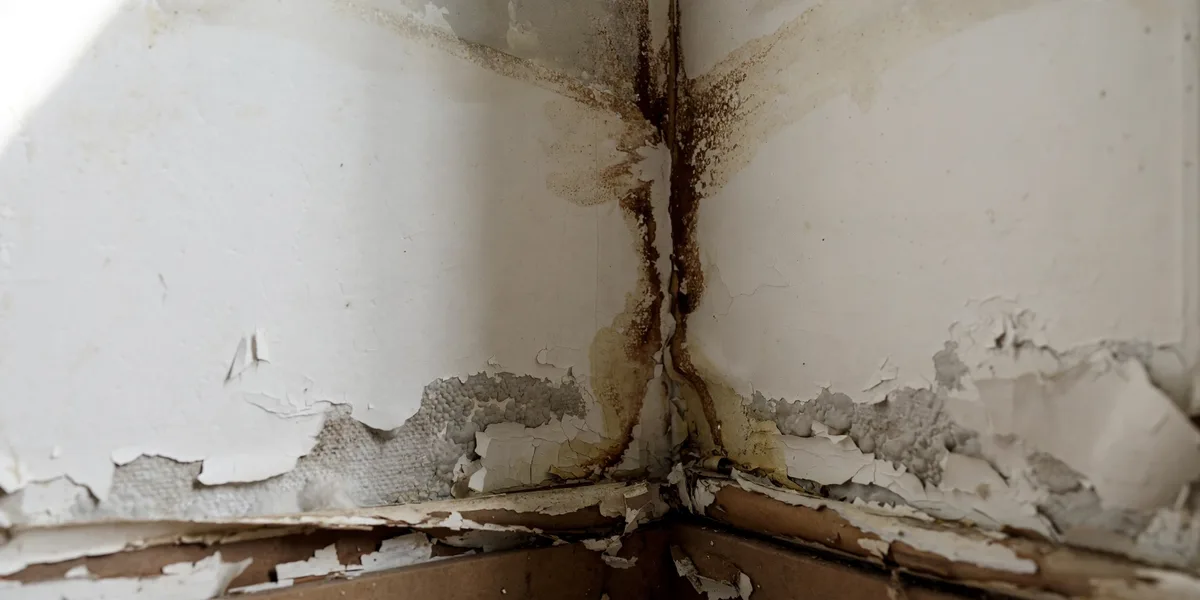
Wet drywall and ceilings are a common rebuild cost. Drywall repair runs $300 to $850, and ceiling repair averages $576.
What is included in the price
Every water damage restoration cost bill is made of line items. Knowing them helps you read any quote. The figures below are the published 2026 line item ranges.
| Line item | Typical price |
|---|---|
| Emergency water extraction | $400 to $1,200 |
| Air mover, per unit per day | $35 to $60 |
| Dehumidifier, per unit per day | $65 to $150 |
| Antimicrobial treatment | $0.75 to $1.25 per square foot |
| Demolition of wet drywall, flooring, or cabinets | $2 to $5 per square foot |
| Reconstruction, drywall, paint, trim, flooring | $8 to $25 per square foot |
| Mold remediation, when needed | $1,500 to $10,000 or more |
Extraction and drying are the first half of the job. Demolition and rebuilding are the second half. Some quotes cover only the first half. Ask which half your quote covers before you sign.
Equipment runs for days, not hours. A single room job may use two air movers and one dehumidifier for 3 to 5 days. That rental time is part of the bill. It is also why drying cannot be rushed. Wet wood and drywall dry at their own pace.
Mold is the most common add on. Mold can start in 24 to 48 hours after water damage. If drying starts late, mold remediation joins the bill. Our mold remediation page covers the signs and the steps.
What changes the price
Seven things move your water damage restoration cost up or down. The first three matter most.
- Water category. Clean water is cheapest. Black water is most expensive. The category can rise if water sits.
- Area size. More square feet means more extraction, more drying days, and more material to replace.
- Time sitting. Water that sat for a day soaks deeper than water found in an hour. It also grows mold faster.
- Materials. Hardwood, tile, and plaster cost more to dry and replace than carpet and painted drywall.
- Access. Water behind cabinets, under floors, or inside walls takes more work to reach and dry.
- Emergency timing. Night and weekend calls cost more because a crew comes out right away.
- Contents. Furniture and personal items that must be moved, cleaned, or stored add to the bill.
The cheapest job is the one that starts fast. Shut off the water, call for help, and keep the category low. Every hour of standing water adds drying time and cost.
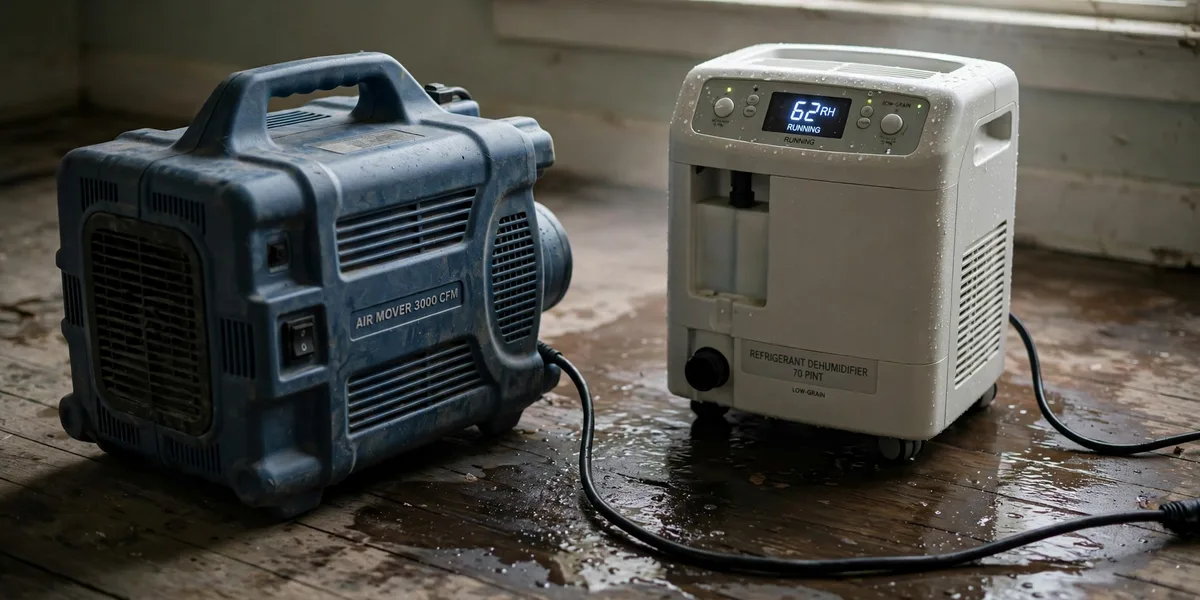
Air movers and dehumidifiers run for days on most jobs. Air movers cost $35 to $60 per day and dehumidifiers $65 to $150 per day.
Emergency restoration cost
An emergency call costs more than a scheduled visit, because the crew comes out at night, on a weekend, or on a holiday. You pay for speed, not just labor.
Emergency extraction alone runs $400 to $1,200 in published 2026 data. That covers the first visit, pumps, and vacuums. Drying and repairs are billed after that.
Speed saves money in the end. A job that starts in the first hour often stays a Class 2 job. The same leak found a day later can become a Class 3 job with mold work. The emergency premium is small next to that gap.
Our emergency line is answered 24 hours a day, every day. If water is spreading now, go to our emergency water removal page and call.
Anaheim and Orange County prices
National guides give the shape of water damage restoration cost. Orange County guides give the local numbers. The published Orange County ranges are:
- Single room, clean water: about $1,500 to $3,500
- Several rooms: about $4,000 to $12,000
- Per square foot by category: $3 to $4 for clean water, $4 to $7 for gray water, $7 to $15 for black water
- By category, total job: Category 1 $1,500 to $3,000, Category 2 $3,000 to $7,000, Category 3 $7,000 to $20,000 or more
Anaheim has its own causes, and each one changes the bill. Postwar homes in West Anaheim still carry galvanized steel pipes that corrode and burst. Slab leaks are common in West Anaheim, where the pipe runs under the floor. Anaheim Hills homes face hillside drainage and irrigation leaks, and some carry polybutylene pipe. Resort area motels see overflows that soak many rooms at once. Atmospheric river storms bring heavy rain that finds weak roofs and windows.
We serve every Anaheim ZIP code, 92801 to 92808, and every neighborhood from Anaheim Hills to the Platinum Triangle. Our service areas page lists them all. Local knowledge matters for cost because the cause decides the category, and the category decides the rate.
Does homeowners insurance pay
Most policies pay for sudden and accidental damage. A burst pipe, a failed supply line, or a washer hose that lets go are the usual examples. The insurer pays for the damage the water caused, not for the pipe itself.
Slow leaks, poor upkeep, and rising flood water are usually not covered. A leak that dripped for months is wear and tear. Water that rises from outside is flood damage. It needs a separate flood policy through the National Flood Insurance Program.
Your deductible comes out of your pocket first. After that, the insurer pays the rest up to your policy limit. Ask your adjuster what your deductible is before work starts.
We document the damage and the work done, so you have what your adjuster needs. Photos, moisture readings, and a line item estimate are the three things adjusters ask for most. Keep copies of everything.
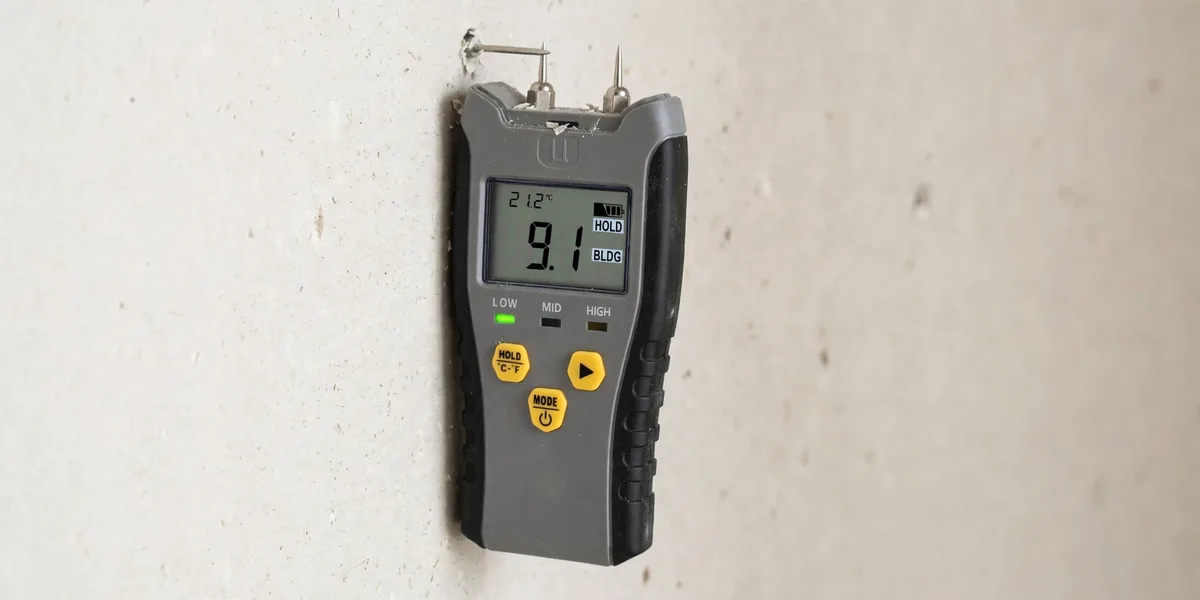
Moisture readings decide when drying is done. Ask for the drying log before you accept the final bill.
How to read an estimate
Most restoration companies use Xactimate, the estimating software insurers use. A good estimate lists every line item with a price. A weak estimate gives one total and no detail.
Check four things on any estimate. First, it states the water category. Second, it measures the affected area in square feet. Third, it lists drying days and equipment. Fourth, it separates demolition and rebuilding from extraction and drying.
Watch for red flags. A price far below the published range usually means the scope is smaller than you think. A lump sum with no line items hides what is missing. No drying log means no proof the structure is dry. Get a second quote if any of these show up.
If your insurer is involved, the adjuster will compare your estimate with their own Xactimate figures. A line item estimate makes that comparison easy. A lump sum makes it slow.
DIY or hire a pro
Some water damage is safe to dry yourself. A small, fresh, clean water spill is the test. Towels, a wet vacuum, and fans can dry it in a day or two. Keep the room warm and dry, and check the wall base with your hand for dampness.
Call a pro for anything bigger, dirtier, or older than a day. Gray water needs cleaning and disinfecting with protective gear, and black water needs full removal and disposal. Flood water is in the same group. The EPA describes flood cleanup as difficult and dangerous work.
Hidden water is the other reason to call. A leak inside a wall or under a floor keeps soaking long after the surface looks dry. A moisture meter finds it in seconds. Our leak detection page covers how hidden leaks are found.
Drying on your own can save money on a small job. Waiting too long on a big job costs far more. If you are unsure which one you have, a free inspection call costs nothing.
How to keep the cost down
Five steps cut the bill on almost every job.
- Shut off the water at the main valve as soon as you find the leak.
- Move furniture and rugs out of the wet area before they soak through.
- Take photos and video of every wet surface before anything is moved.
- Call for extraction the same day. Mold can start in 24 to 48 hours.
- Ask for a line item estimate and check it against the ranges on this page.
Do not wait for the weekend to pass. Do not wait to see if it dries on its own. Water that sits spreads, soaks deeper, and raises the category. Fast action is the cheapest tool you have.
Where the numbers come from
National figures on this page come from five published cost guides, all checked in 2026: Angi, updated September 11, 2026; HomeAdvisor, updated June 17, 2026; HomeGuide, updated February 6, 2026; Forbes Home, updated February 10, 2025; and Fixr, updated January 31, 2025. The five guides were re-checked against each other on October 19, 2026, in a published comparison of their figures. LawnStarter 2026 figures are also cited. Line item ranges come from the 2026 Dr. Moisture cost guide.
Orange County ranges come from published Anaheim restoration guides. The water categories and classes follow the IICRC S500 standard. Prices are ranges, not quotes. Your job needs an inspection before anyone can give you a firm price.
Cost questions, answered
How much does water damage restoration cost in Anaheim?
Most Anaheim homes pay $1,383 to $6,369 for a typical job, based on 2026 national guides from Angi and HomeAdvisor. Small clean water jobs start near $450. Large or sewage jobs can pass $16,000.
What is the cost per square foot?
Extraction and drying run about $3.50 per square foot for clean water, $5.25 for gray water, and $7.50 for black water, based on HomeAdvisor 2026 data. HomeGuide lists higher ranges, $4 to $12, for the same categories.
Does homeowners insurance pay for water damage restoration?
Most policies pay for sudden and accidental damage, like a burst pipe or a failed supply line. They usually do not pay for slow leaks, poor upkeep, or rising flood water. Flood water needs a separate flood policy.
How long does water damage restoration take?
Drying usually takes 3 to 5 days for a single room with clean water. Larger jobs or wet walls can take 1 to 2 weeks. Full repairs add more time after the structure tests dry.
Why do two quotes for the same job look so different?
Quotes differ because one may cover only extraction and drying while the other adds demolition, cleaning, and rebuilding. Ask for a line item estimate so you can compare the same scope, not just the total.
Can I dry the damage myself and save money?
You can dry a small, fresh, clean water spill with towels, a wet vacuum, and fans. Anything larger, dirty, or older than a day needs pro equipment. Waiting too long can turn a small job into mold work.
Talk to the Anaheim team
Call now and describe what you see. We will tell you the next step.