
Mold Remediation
Mold Remediation in Anaheim, CA
Mold grows where water stays. We find the moisture source, contain the area, remove moldy materials, and dry everything so mold does not come back in your Anaheim home.
- Answered 24 hours a day
- Written estimate first
- We work with your insurance
- Every Anaheim ZIP code
When do you need professional mold remediation?
Call a professional when mold covers more than about 10 square feet, follows a water leak, or grows inside walls or ducts. Smaller patches on hard surfaces can often be cleaned with detergent and water.
- The EPA uses 10 square feet as the line for help
- California treats visible mold as substandard in rentals
- Fixing the water problem comes first
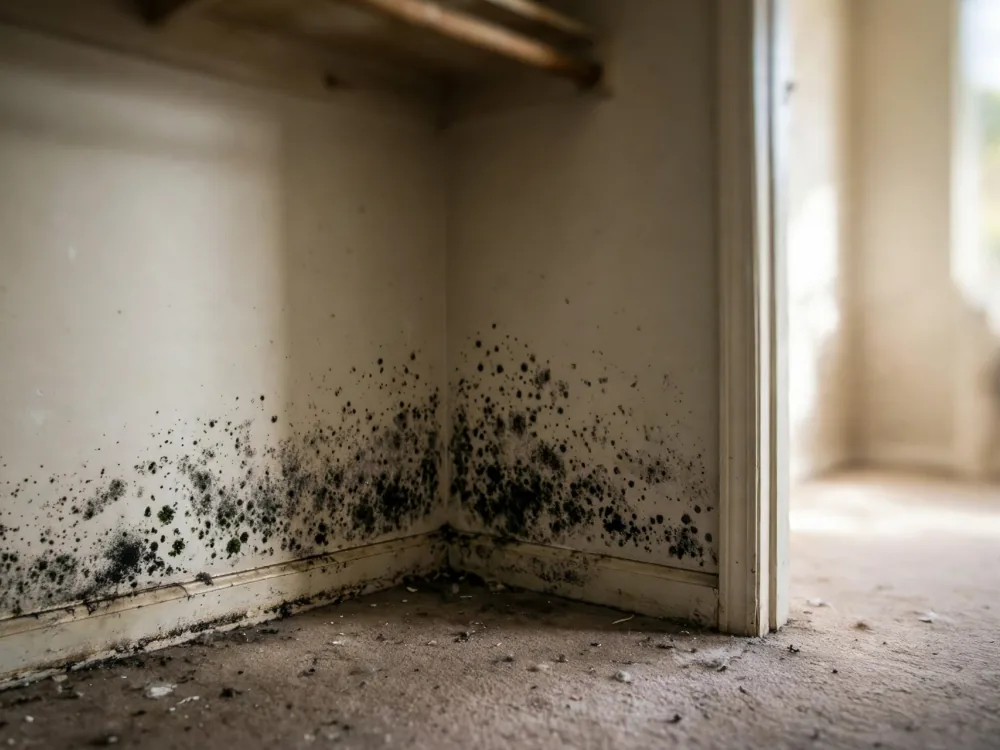
Why mold grows in Anaheim homes
Mold needs moisture. In a dry climate, that moisture almost always comes from a leak.
Slow plumbing leaks
A drip under a sink or behind a toilet keeps the same spot wet for weeks.
Leak DetectionWater damage dried too slowly
Walls left wet past 24 to 48 hours give mold time to start.
Structural DryingRoof leaks into attics
Rainy season leaks wet insulation and roof sheathing.
Storm DamageBathrooms without good venting
Shower steam with no exhaust fan settles on ceilings and walls.
Damp crawl spaces
Raised floor homes in the Colony can trap moisture under the house.
Crawl Space CleanupAC and water heater drips
Condensate lines and tanks leak slowly into closets.
Do you have a mold problem?
Tick what you see or smell. One yes is worth a closer look.
Nothing ticked yet. Check closets, under sinks, and bathroom ceilings.
(714) 555-0194See mold or smell it? Let us find the water behind it.
Mold always has a moisture source. We find it, then plan the removal.
Our mold remediation process
Removing mold without fixing the moisture just means it grows back.
Step 1
Find the moisture
We trace the leak or damp area feeding the mold.
Step 2
Contain the area
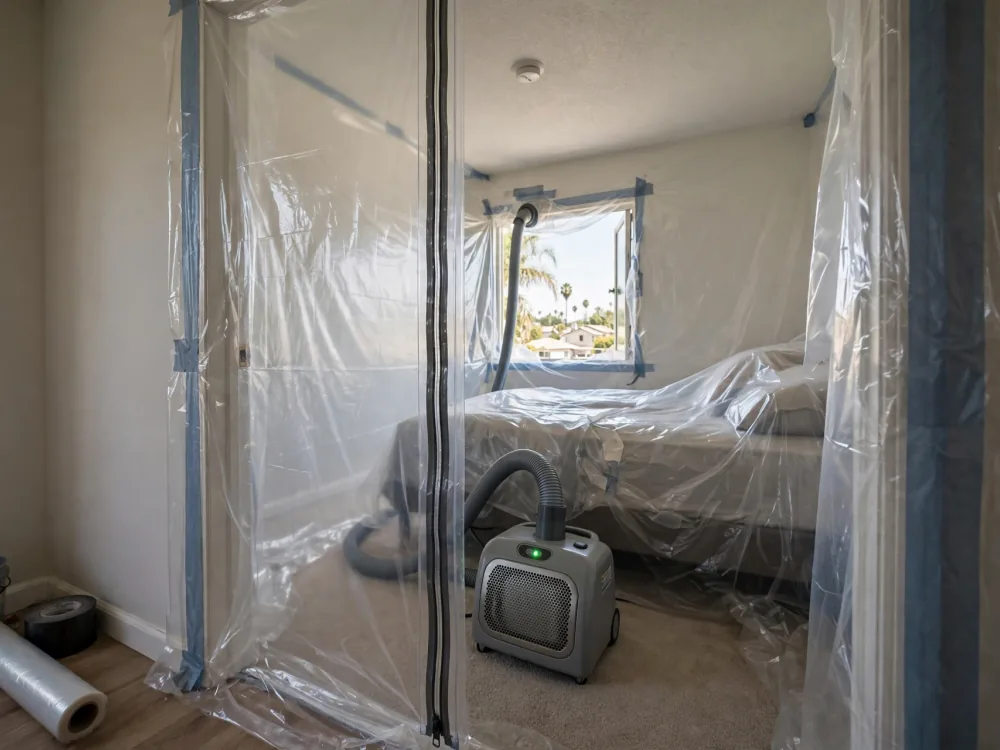
Plastic barriers and negative air keep spores from spreading.
Step 3
Remove moldy materials
Moldy drywall, insulation, and carpet are bagged and removed.
Step 4
Clean surfaces
Wood and hard surfaces are cleaned and HEPA vacuumed.
Step 5
Dry the area
Dehumidifiers bring materials back to dry levels.
Equipment we use for mold remediation
Containment and filtration matter as much as removal.
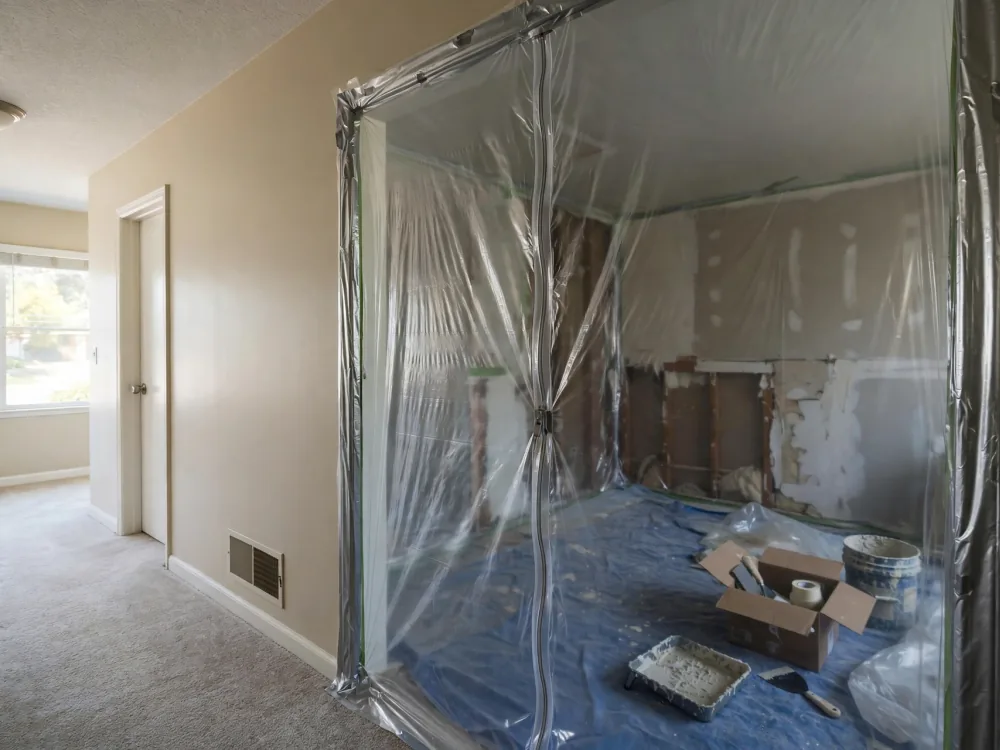
Containment barriers
Seal the work area so spores stay inside.
When: Before any material is disturbed.
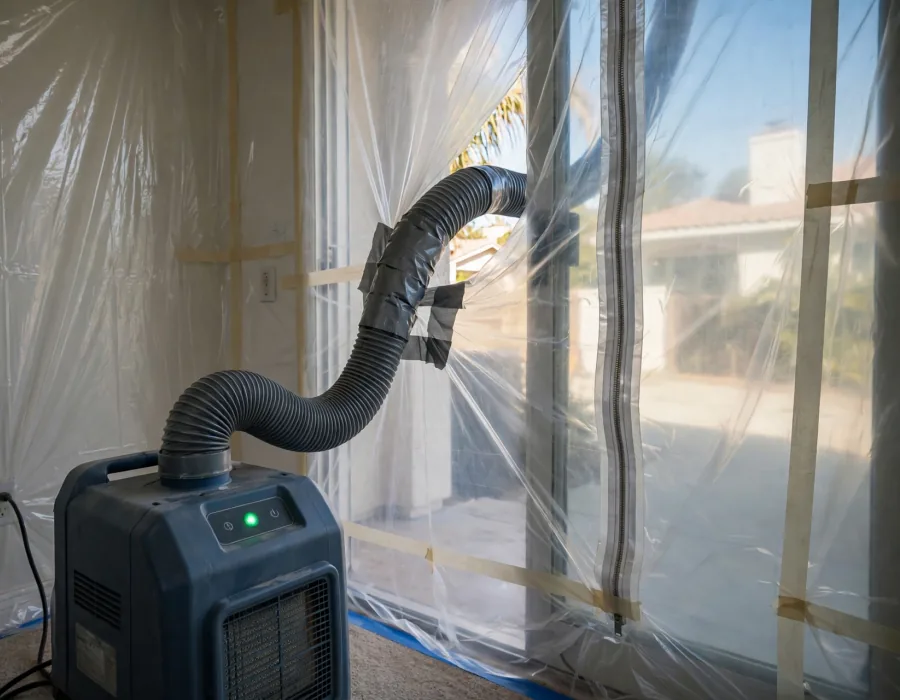
HEPA air scrubbers
Filter spores from the air and create negative pressure.
When: During the whole removal.
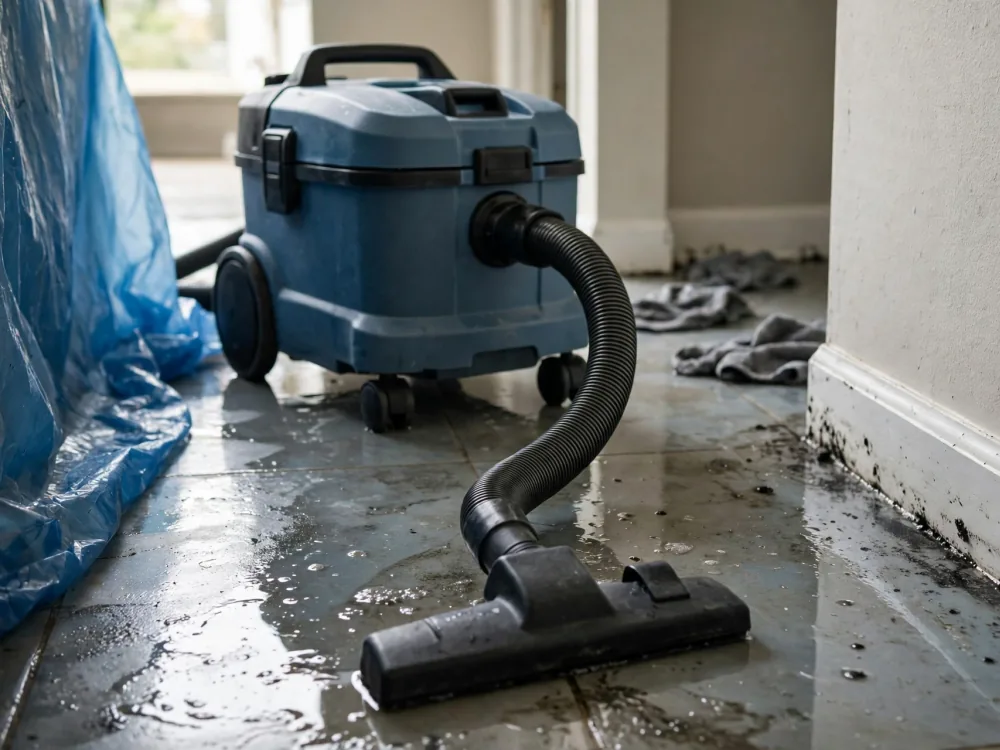
HEPA vacuums
Pick up fine dust and spores from cleaned surfaces.
When: After removal, before drying.
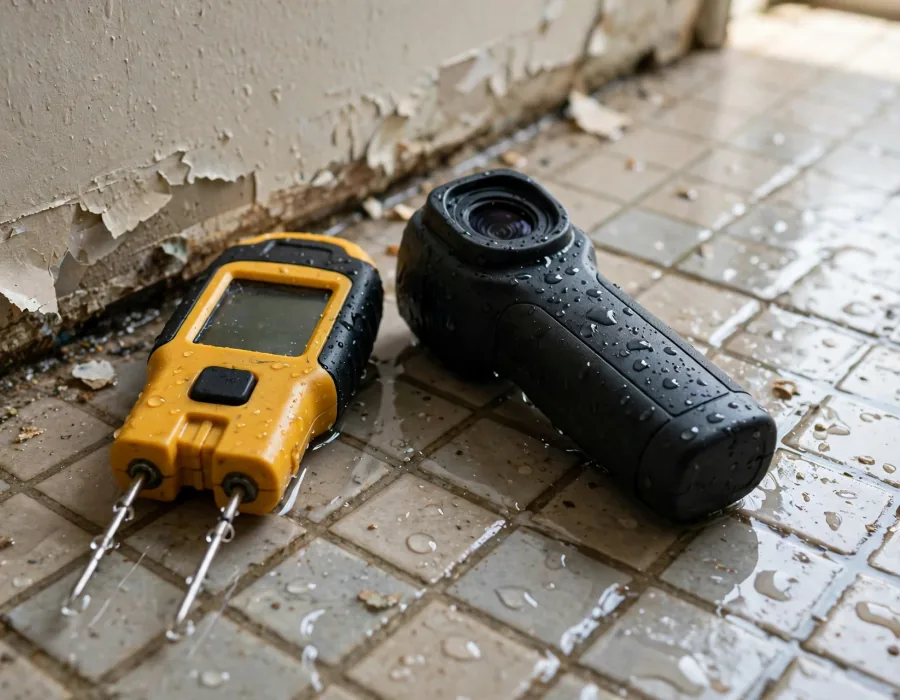
Moisture meters
Find wet materials that feed mold growth.
When: First visit and final check.
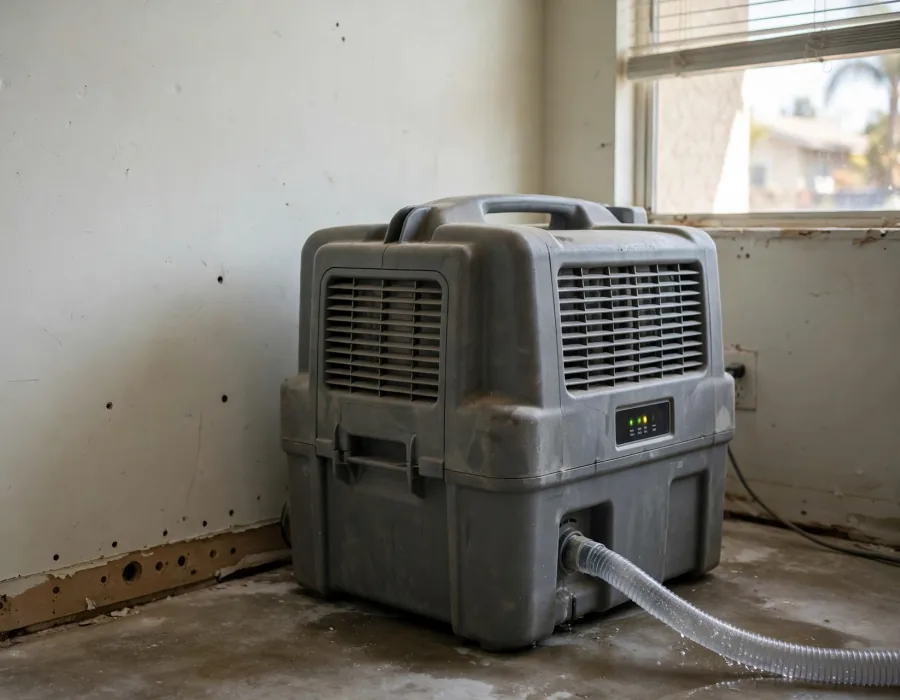
Dehumidifiers
Dry the area so mold cannot return.
When: After cleaning.
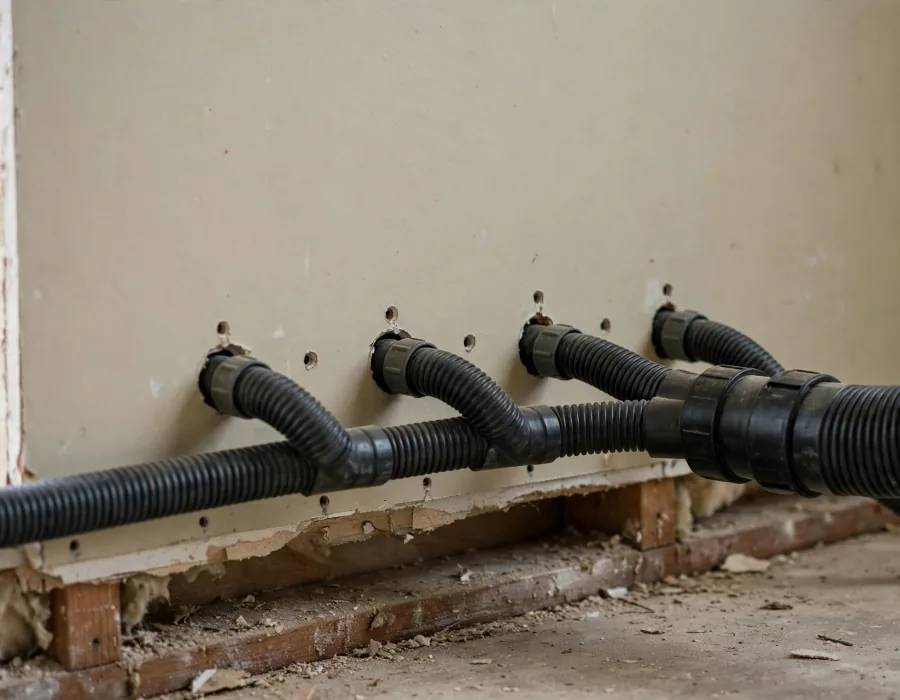
Wall cavity drying
Dries inside walls after moldy materials come out.
When: When the source was inside a wall.
Why mold removal needs containment
Scrubbing mold in an open room can spread spores through the house.
If you fix the mold but not the water, the mold comes back.
We find the source
Every job starts by finding and stopping the moisture.
Spores stay contained
Barriers and air scrubbers protect the rest of the house.
Moldy materials leave the house
Porous materials are removed, not painted over.
Records for landlords and tenants
Photos and a written scope for rentals and claims.
Mold remediation for Anaheim homes and rentals
Mold shows up wherever water was left behind.
Homes and rentals
Most of the mold we remove follows a leak that dried too slowly. Rentals have extra rules: California law counts visible mold as a substandard condition.
- Bathrooms and closets
- Attics after roof leaks
- Under sinks
- Crawl spaces
Commercial spaces
Offices, shops, and hotel rooms with hidden leaks can develop mold behind walls. We contain the area and work around your schedule.
- Offices
- Hotel rooms
- Retail
- Apartment buildings
Mold remediation across Anaheim
Mold, insurance, and rentals in California
The California Department of Insurance says mold caused by a covered water loss may be covered. Rentals have their own rules.
Covered cause matters
Mold from a sudden pipe burst may be covered. Mold from a long leak often is not.
Rentals and SB 655
Since 2016, visible mold can make a rental substandard under state law.
Tenants give notice
A landlord's duty to repair mold starts once the landlord has notice.
Photograph it
Take photos before removal starts.
Your insurance company decides what is covered. We document the damage clearly, but we cannot promise a claim result.
Mold remediation questions from Anaheim residents
Ask us: (714) 555-0194Can I clean mold myself?
For small patches under about 10 square feet on hard surfaces, the EPA says you can usually clean it yourself with detergent and water. Larger areas, mold inside walls, or mold after sewage need professional containment.
Does bleach kill mold?
Bleach can lighten mold on hard surfaces, but it does not fix the moisture that feeds it. On drywall and wood, mold grows into the material. Those porous materials usually need to be removed and replaced.
How long does mold remediation take?
Most residential jobs take two to five days. Small areas in one room can finish faster. Larger jobs with mold inside walls or attics take longer, especially if drying and rebuilding are needed afterward.
Is mold a landlord's responsibility in California?
Often, yes. Since 2016, California law lists visible mold as a substandard housing condition. A landlord's duty to repair starts once they have notice, so tenants should report mold in writing and take photos.
Do you test for mold?
We inspect for moisture and visible growth, which is what remediation needs. If you want lab testing to identify mold types, an independent tester can do that. Testing is separate from removal.
Will mold come back after remediation?
Not if the moisture source is fixed and the area stays dry. That is why we start by finding the leak. Keep bathrooms vented and fix drips quickly to stop new growth.